
Money · insolvency
Insolvency barristers, instructed directly.
For personal and corporate insolvency, a barrister can advise on bankruptcy, winding up and director duties and represent you.

At a glance
Bankruptcy
Petitions, statutory demands and annulment.
Winding up
Company winding up and creditor claims.
Director duties
Claims involving directors and office-holders.
Insolvency law deals with what happens when individuals or companies cannot pay their debts, including bankruptcy, winding up, statutory demands, and claims against directors. A barrister can advise creditors, debtors, directors and office-holders on their position and the relevant procedure.
A barrister will assess the merits and the urgency, often considerable in insolvency, and represent you in the Insolvency and Companies Court. Through Direct Access you can instruct a barrister directly, without going through a solicitor first.
Barristers are regulated by the Bar Standards Board.
Through Direct Access you can instruct a insolvency barrister directly, without going through a solicitor first. Barristers are regulated by the Bar Standards Board (BSB).
When to bring in a barrister
You have been served with a statutory demand or petition
A company owes you money and may be insolvent
You are a director facing an insolvency-related claim

Alexander Bunzl
Alexander Bunzl is a commercial, property and trusts barrister who appears regularly in the County Court, the Senior Courts and the First Tier...

Barnaby Hope
Barnaby Hope is a barrister specialising in legal costs, professional negligence and commercial disputes. Called in 2011 after four years as an...
Dr Alexander Khan
Alex is a highly experienced and respected barrister with over 25 years of practice, specialising in financial applications arising from divorce, both...

Duncan Kynoch
Duncan is a commercial chancery practitioner. His work ranges across the full spectrum of property and company/commercial and disputes including;...
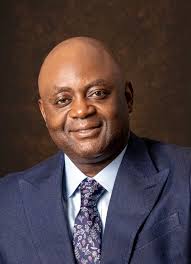
Emonye Adekwu
Emonye Olayinka Adekwu, SAN, FCIArb Barrister, Station Court Chambers, Called 2013 (licensed 2024) London and South East; Nationwide;...
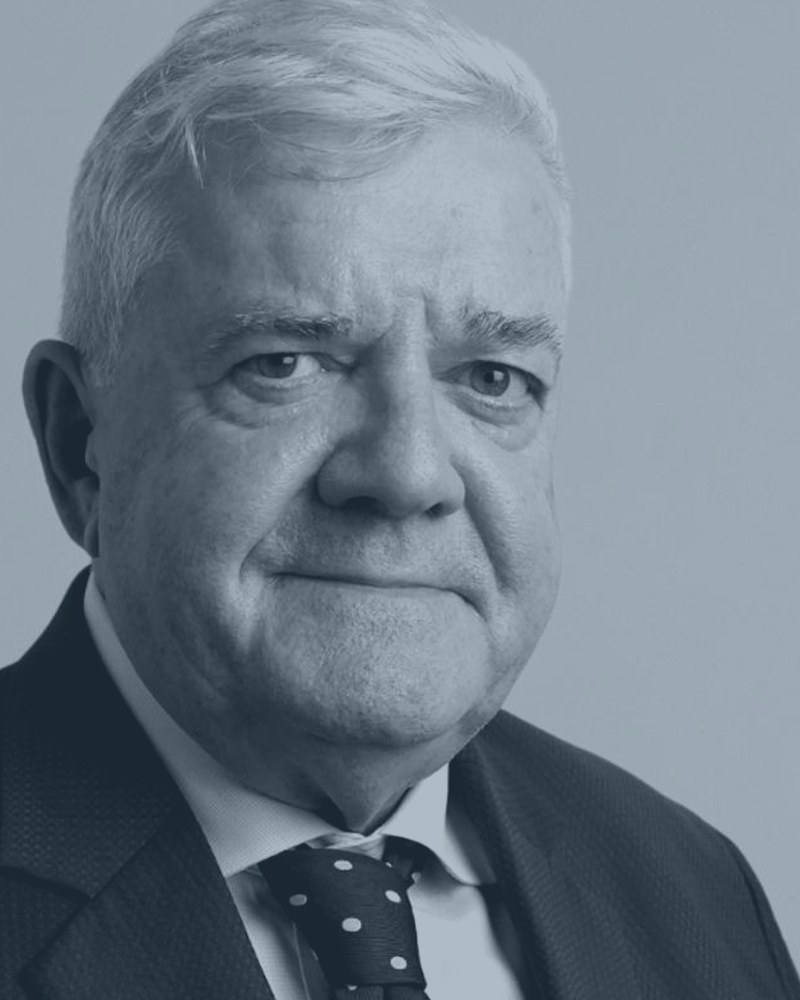
Gary Summers
Gary Summers is a barrister with over 30 years' experience specialising in private prosecutions, commercial disputes, fraud, insolvency and...

Hermione Williams
Hermione's Company law practice includes shareholder disputes, derivative actions, unfair prejudice petitions, claims against directors for breach of...

Huw Shepheard
### About me Huw Shepheard undertakes commercial and contractual disputes and public law litigation, advisory work and drafting over a range of...

Jala Patang
Jala is a leading barrister in family law and her busy practice includes a wide variety of cases, including allegations of domestic violence, coercion...

Jeff Hardman
Jeff Hardman is a seasoned trial advocate and litigator. He has been a barrister for more than 10 years and is recommended by the legal directories as...

Mark Spackman
Mark enjoys a broad commercial and chancery practice with a particular specialization in insolvency work, both personal and corporate. Mark has...

Meg Cochrane
Meg is a commercial and civil disputes barrister acting for directors, shareholders and companies in commercial, contract and consumer disputes,...

Michael Cameron-Mowat
Michael is an experienced advocate across a wide range of practices. Michael accepts instructions in all areas of Chamber's areas of expertise. Prior...
Michael Clark
Michael's practice covers a broad range of litigation and arbitration involving complex commercial disputes. He accepts instructions in the following...
Muhammad Imtiaz
My professional experience lies in Commercial Chancery, Company, Construction, Civil Fraud, Deformation, International and offshore, Landlord and...

Nigel Brockley
I have extensive experience of advising both companies and individuals in relation to all insolvency issues. My experience within this field has...

Patrick Boch
I have about a decade's worth of experience of tax, including of: - litigation and representation in the tax tribunals - inheritance tax and capital...

Paul Dipré
Paul represents clients at all stages of private law children disputes. He regularly represents parents and guardians in disputes about the living...

Paul French
Independent insolvency barrister,offering advisory, advocacy and consultancy services in relation to all insolvency and insolvency-related matters, to...

Paul Oakley

Professor Mark Watson-Gandy
Effective and respected barrister with expertise in banking, insolvency, directors disqualification and civil fraud work, offering expert and...

Richard Bloomfield
=- Professional negligence - Regulatory - Contentious probate - Judicial Review

Suffian Hussain
Suffian is a specialist property barrister, and his experience encompasses (but is not limited to): Real property disputes; Residential and commercial...

Suleman Shams
Suleman has a growing international practice. He has advised Dubai-based businesses and individuals in commercial disputes and intends to register as...

Timothy Becker
This includes all areas of corporate and individual insolvency related litigation both in UK and some cross boarder. **Personal**: Statutory demand...
Frequently asked questions
Can a barrister advise on insolvency directly?
Yes. Through Direct Access a barrister can advise you and represent you in the Insolvency and Companies Court, without going through a solicitor first.
How urgent is a statutory demand?
Very. Strict time limits apply once a statutory demand or petition is served, so take advice immediately.
What does it cost?
Barristers often agree a fixed fee for advice or a hearing. There is no charge to enquire.
Related areas of law
Speak to a insolvency barrister
Tell us about your matter. There is no charge to enquire.